Zakat in Islam
Zakat stands as a core pillar of Islam, reflecting a deep commitment to social justice through financial giving and servitude as a significant act of worship. It is a mandatory charitable obligation for every eligible Muslim, aimed at purifying wealth, supporting the poor, and creating social equity.
What is Zakat?
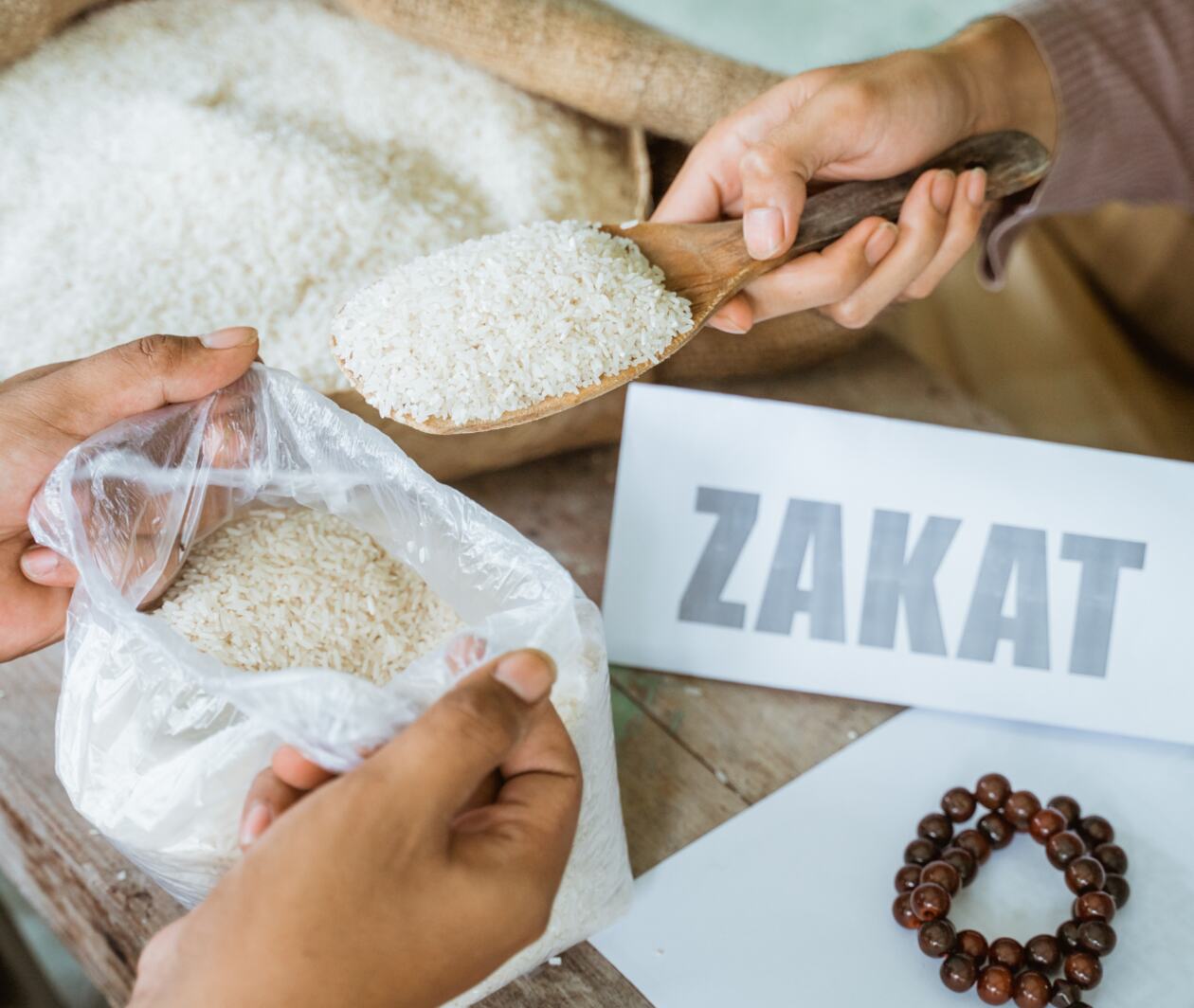
Zakat comes from the Arabic root word "zakaa", which means to purify, grow, or increase. It is a compulsory act of charity and a form of worship in Islam, where Muslims donate a fixed portion of their wealth to those in need.
Zakat Meaning in Islam
Who Must Pay Zakat? (Eligibility Criteria)
- •The individual is Muslim.
- •They are sane and have reached puberty.
- •Their assets meet or exceed the nisab minimum.
- •The person should hold the wealth continuously throughout a full lunar year.
Understanding Nisab: The Zakat Threshold
How is Nisab Calculated?
- •87.48 grams of gold, or
- •612.36 grams of silver
How Much is Zakat? (Calculation Explained)
Zakat = (Total Zakatable Wealth - Debts) × 2.5%
For example:
- If your total assets = £10,000
- Debts = £0
- → Zakat owed = £10,000 × 2.5% = £250
Types of Zakat in Islam
- 1.Zakat al-Mal (Zakat on Wealth): The annual zakat paid on savings, investments, business profits, income-generating properties, gold, silver, and cash.
- 2.Zakat al-Fitr (Fitrana): A small charity given by every self-supporting Muslim before Eid al-Fitr, usually in the form of food or its monetary equivalent. It purifies the fast of Ramadan.
Who Can Receive Zakat? (8 Eligible Categories)
- 1.The poor (al-fuqara)
- 2.The needy (al-masakin)
- 3.Zakat administrators
- 4.New Muslims or those close to Islam
- 5.Those in slavery or bondage
- 6.People in debt
- 7.In the cause of Allah (Fi Sabilillah)
- 8.Stranded travelers (Ibn al-Sabil)
Zakat cannot be given to:
- •Your parents, children, or spouse
- •Mosques or institutions (unless directly benefitting an eligible recipient)
- •Descendants of Prophet Muhammad (Syeds)
Zakat can be given to:
- •Eligible siblings, uncles, aunts, cousins
- •Struggling students (if they qualify)
- •Husbands (by wives), but not vice versa
Zakat vs. Sadaqah: What's the Difference?
| Aspect | Zakat | Sadaqah |
|---|---|---|
| Obligation | Mandatory (Fard) | Voluntary |
| Amount | Fixed: 2.5% | Any amount |
| Timing | Once per lunar year | Anytime |
| Recipients | 8 categories only | Anyone in need |
| Eligibility | Only if wealth exceeds Nisab | Open to everyone |
How Zakat is Spent by Blackburn UK Trust
Blackburn UK Trust use your zakat to support:
- Emergency aid in war zones (Gaza, Lebanon, etc.)
- Food aid for famine-affected areas in East Africa, the Middle East, and Asia
- Sustainable projects (clean water, education, orphan support)
At Blackburn UK Trust, Alhamdulillah, we follow a 100% donation policy, meaning every penny donated goes directly to those in need. We are committed to full transparency and accountability in all our operations.
Allah عزَّ وجلَّ says in Qur'an:
"Establish prayer, and pay alms-tax. Whatever good you send forth for yourselves, you will ˹certainly˺ find ˹its reward˺ with Allah."[Surah Al-Baqarah Ayah, 110]
The Transformational Power of Zakat
Frequently Asked Questions About Zakat (Advanced FAQs)
Yes, with their permission.
Yes, zakat applies on net income generated.
Yes, and it’s highly rewarded to do so.
Zakat is due if your wealth stays above the nisab for one full lunar year.
In some countries (e.g., Saudi Arabia, Pakistan), zakat is state-mandated. Elsewhere, it is a personal religious obligation.
£50.00
£100.00
£200.00
"One who pays Zakat, Allah will make their wealth increase"
[Sahih Muslim]
How we are delivering impact
Cycle through the imagery to see where our projects are currently making a big impact.
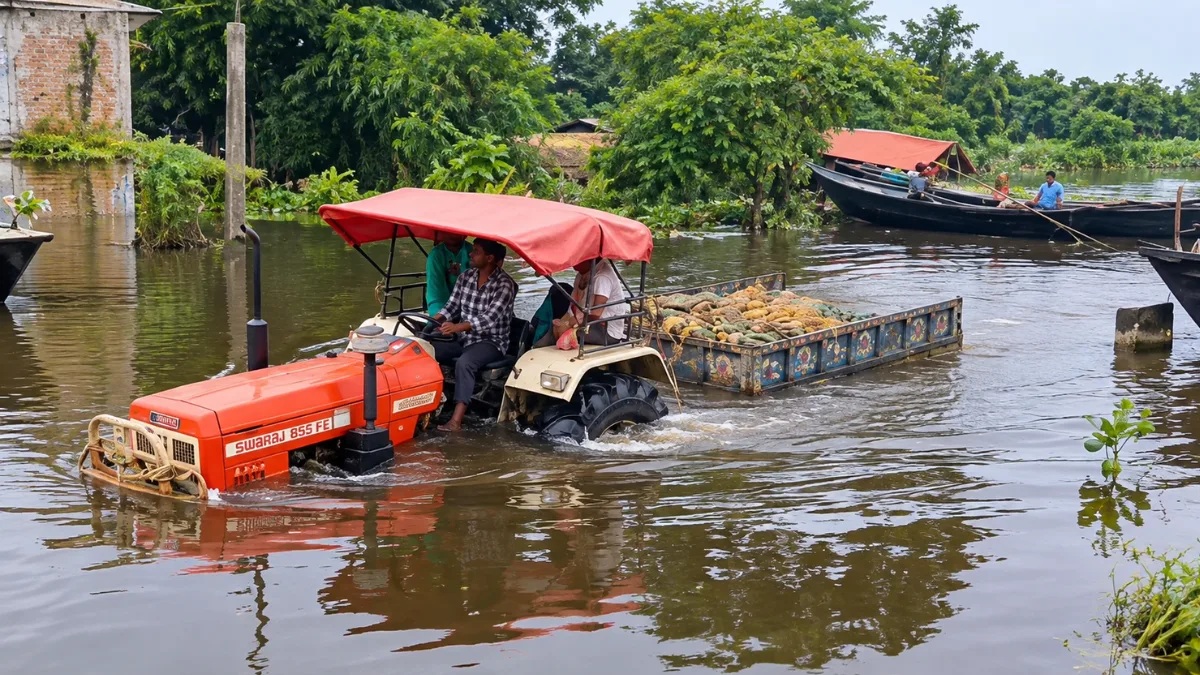
Bihar Flood Emergency
Across Bihar, families are facing the frightening reality of flooding. Homes, livelihoods and access to essential supplies have been affected, leaving vulnerable families uncertain about where their next meal, clean water or essential support will come from.
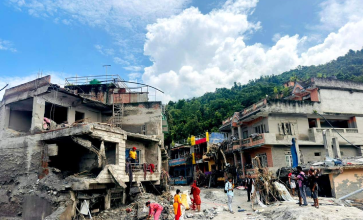
Nepal Floods Emergency
Devastating flash floods have swept through communities in Nepal, destroying homes, roads, bridges and livelihoods. Thousands of people are still missing.

Gaza Emergency
The conflict in Gaza has resulted in a devastating humanitarian crisis. Over 35,00...

Umrah for Orphans
Amid the ruins of Palestine and the overcrowded refugee camps of Jordan, countless...

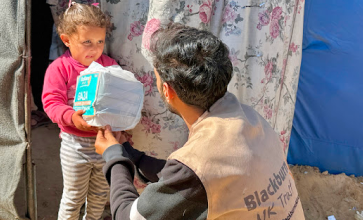
Zakat
When given sincerely, Zakat transform lives -- easing burdens, feeding families, and rebuilding futures.
Sadaqah (General)
Your Sadaqah can provide food, clean water, education and healthcare, bringing comfort and hope to vulnerable communities in need.
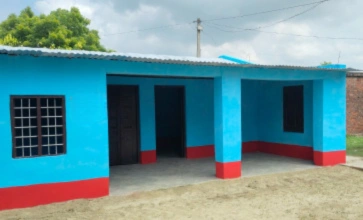
Build A House
Help provide a needy family with a safe, secure home a lasting place to live, grow and build a brighter future.

Cataract Eye Operation
For those living in poverty, the cost of cataract surgery is often insurmountable,...
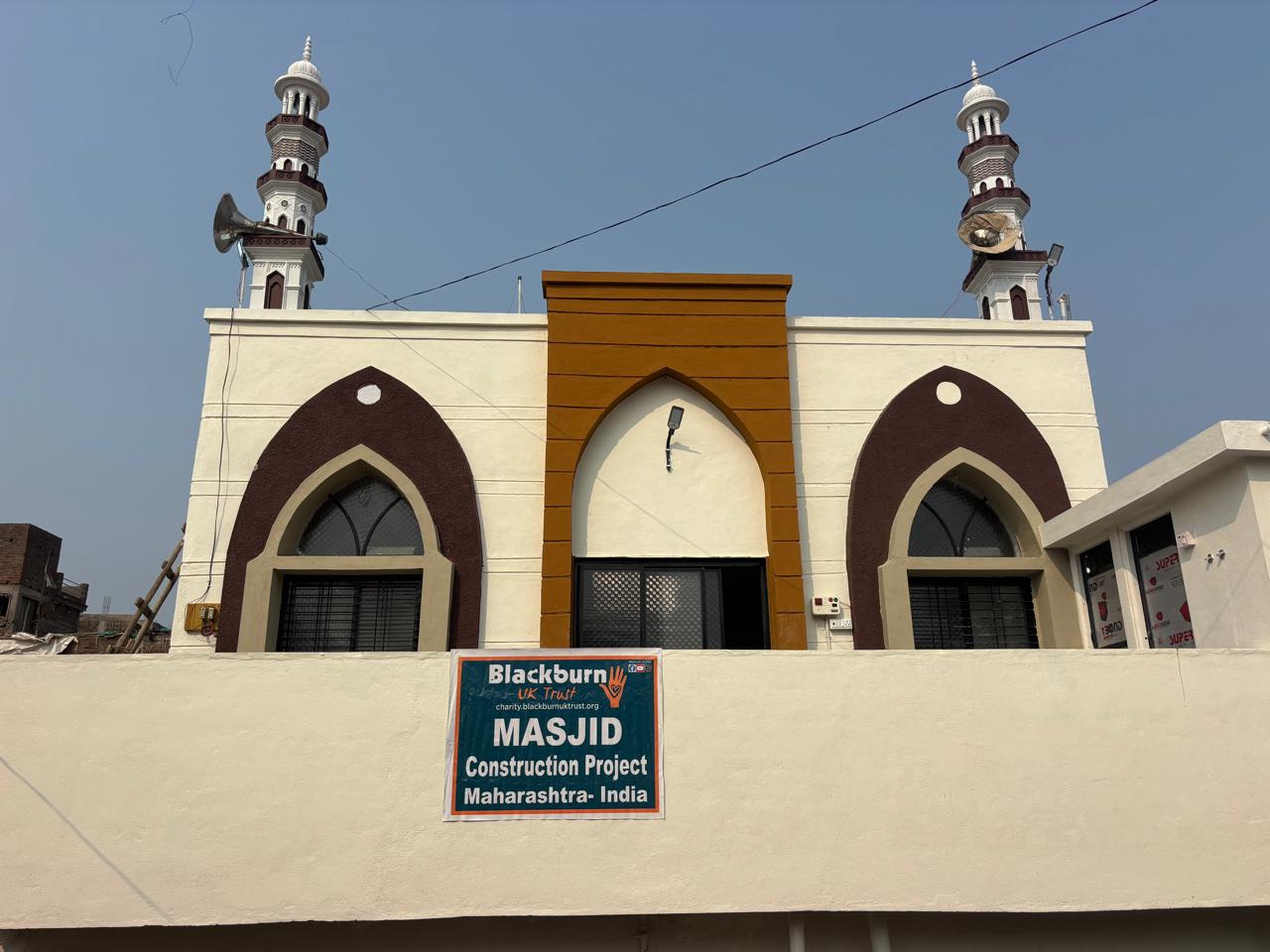
Build A Masjid
A masjid is more than bricks and walls — it is a place where hearts find peace, prayers rise to the heavens,
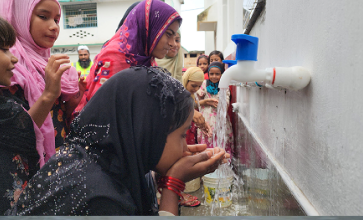
Motorised Water Well
Provide reliable clean water for communities in India and Bangladesh. Each motorised well can benefit up to 200 people.
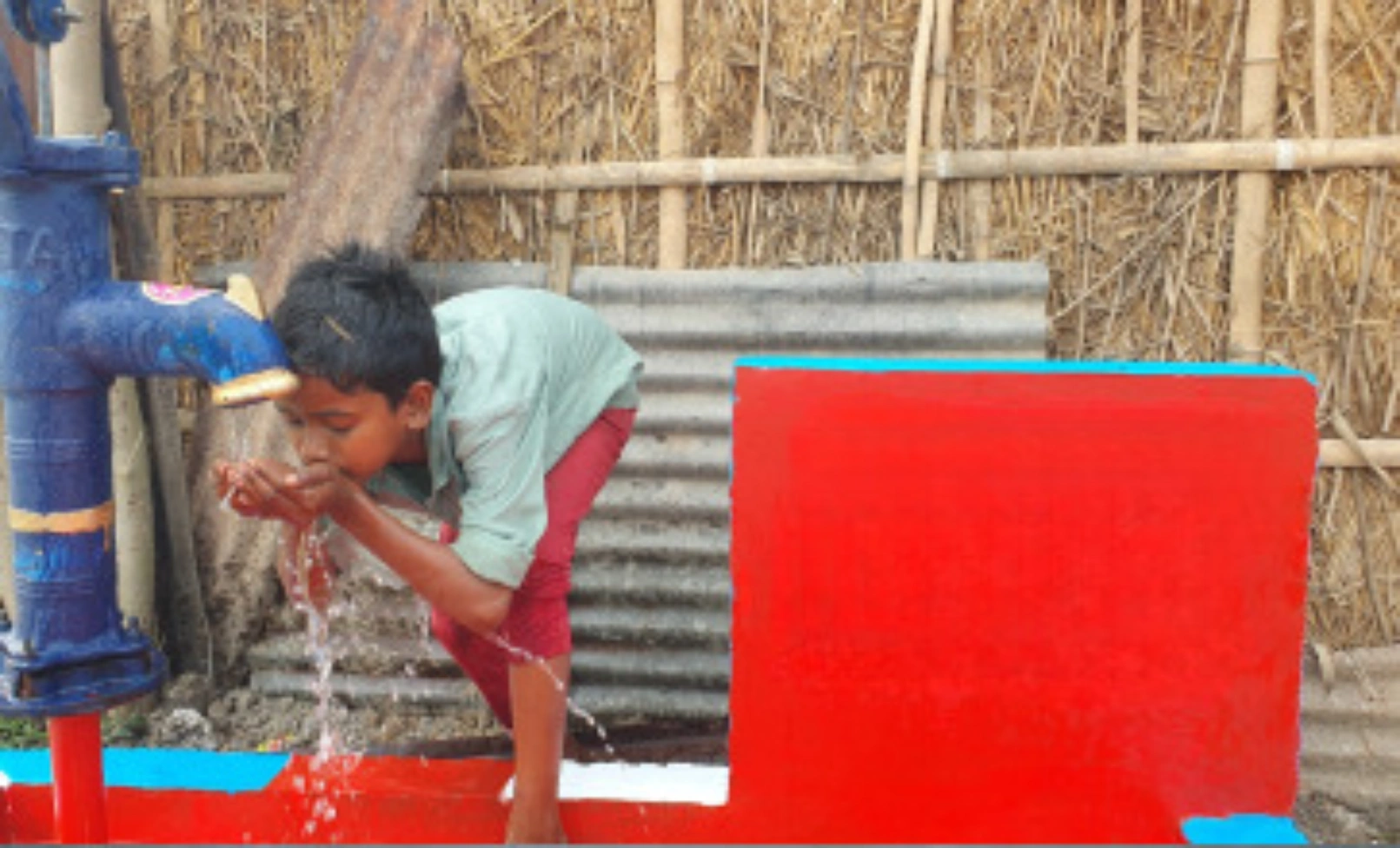
Water Hand Pump
Bring clean, accessible water to remote communities in India, Bangladesh and Pakistan, helping improve health and hygiene.
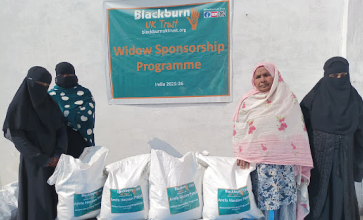
Widow Sponsorship
Support a widow with essential help, giving her greater stability and helping protect her orphaned children’s future.
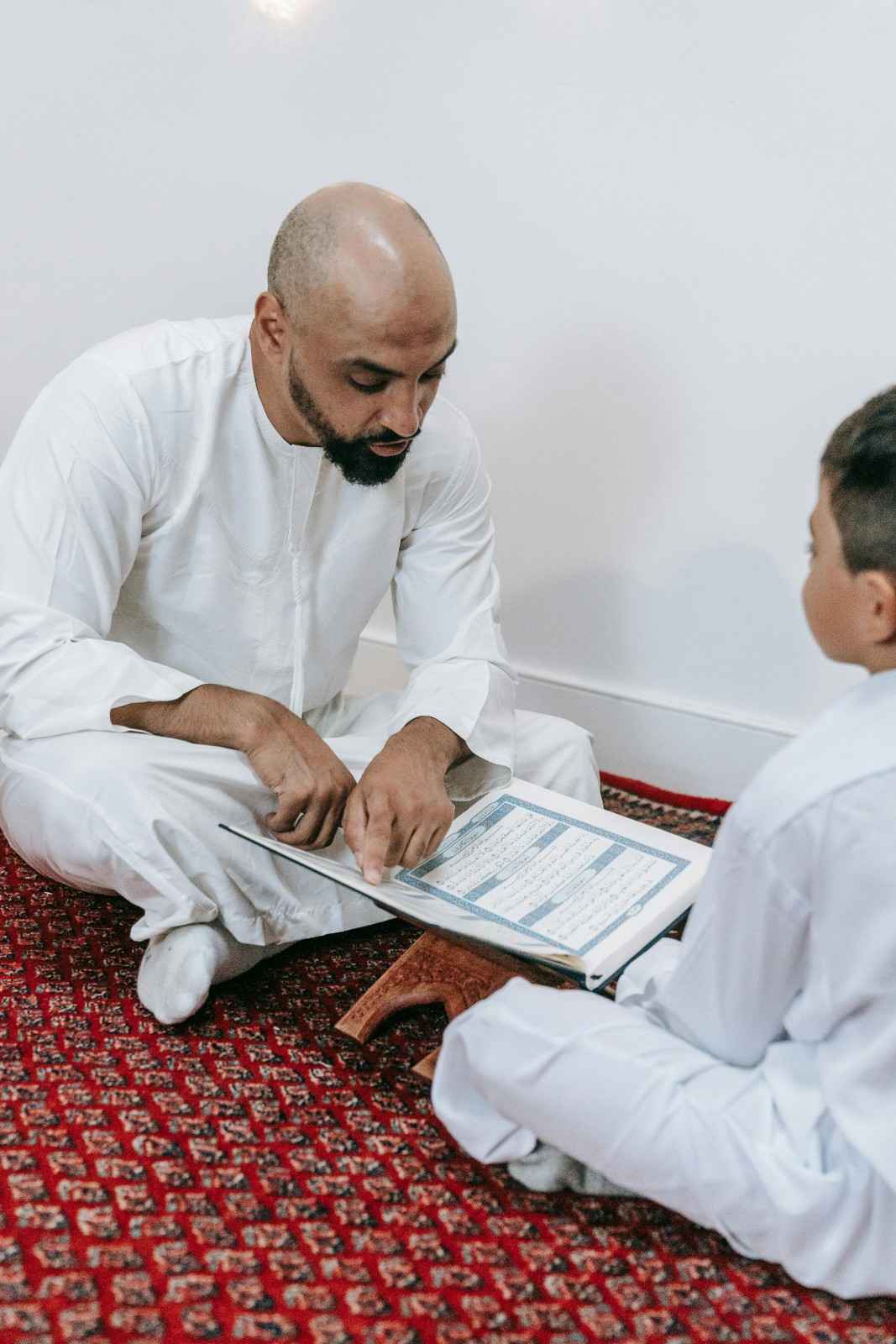
Full Hafiz Sponsorship
Sponsor a full Hafiz and empower a student to memorize the Qur’an with dedication and devotion.
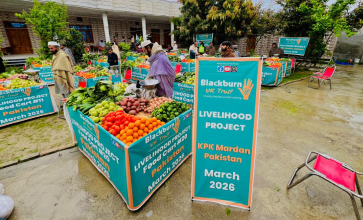
Cycle Rickshaw / Hand Stall
Help someone living in poverty earn an income through a cycle rickshaw or hand stall, creating greater independence for their family.
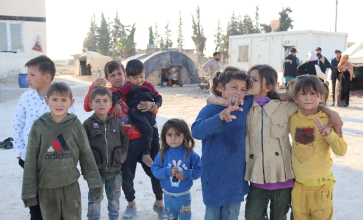
Where Most Needed
Help respond to urgent needs with food, clean water, warm blankets, baby milk, medication and essential medical equipment.
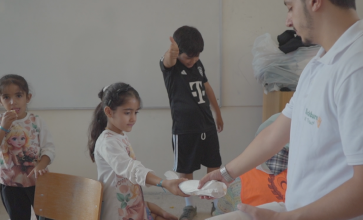
Friday Giving
Automate your weekly Sadaqah and provide ongoing support for families facing hunger, conflict and hardship around the world.
